
Understanding Milestones: What’s Normal and When to Seek Help
Watching your child grow is one of life’s greatest joys. Each smile, new sound, and first wobbly step feels like a victory. But as many parents know, it’s also natural to wonder: Is my child on track?
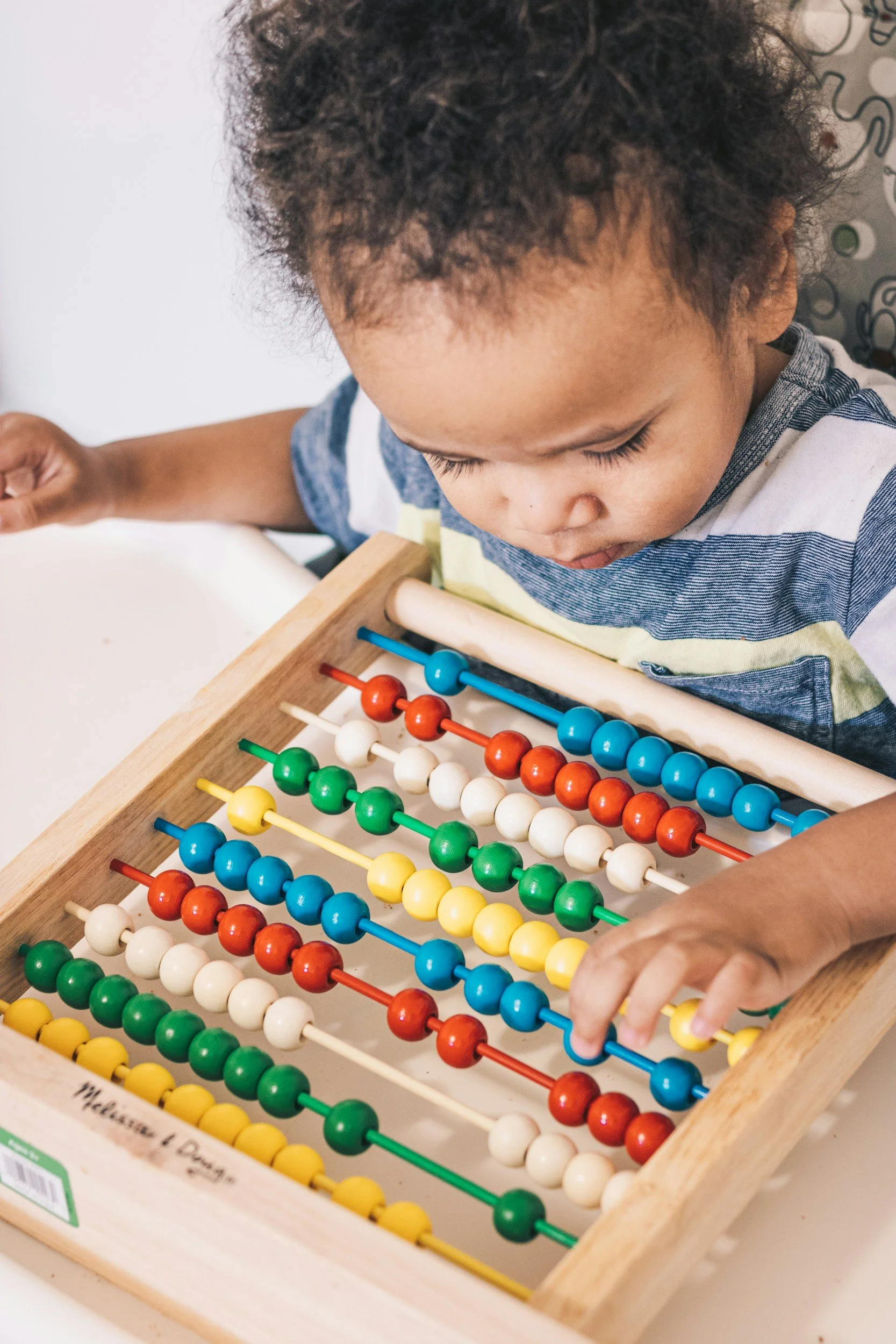
Child development unfolds in beautifully unique ways. No two children progress in exactly the same pattern, yet there are certain skills most children master around similar ages. These are known as developmental milestones — markers that help parents, caregivers, and professionals understand how a child is progressing physically, socially, emotionally, and cognitively.
Understanding these milestones (and their natural variability) can ease worry, guide expectations, and empower you to seek support early when needed.
What Are Developmental Milestones?
Developmental milestones are specific abilities or behaviors most children can do by a certain age. They aren’t rigid deadlines or tests your child must “pass” — rather, they’re general indicators of progress across different areas of development.
The main categories include:
1. Gross Motor Skills
These involve large body movements that allow your child to move and explore.
Examples include:
Lifting their head and rolling over (by 4–6 months)
Sitting independently (by 6–9 months)
Crawling and standing (by 9–12 months)
Walking independently (by 12–18 months)
Running, climbing, jumping, and balancing (by age 2–4)
Gross motor skills form the foundation for independence and play — they also influence coordination, confidence, and even attention skills later on.
2. Fine Motor Skills
Fine motor skills use the small muscles in the hands and fingers for grasping, manipulating, and creating.
Examples include:
Reaching for toys and transferring objects between hands (by 6 months)
Picking up small items with a pincer grasp (by 12 months)
Scribbling and stacking blocks (by 18–24 months)
Using utensils, dressing independently, and drawing shapes (by ages 3–5)
Strong fine motor skills are important for self-care tasks (feeding, dressing) and school readiness (writing, cutting, coloring).
3. Language and Communication
Communication is more than just words — it begins long before your child speaks.
Examples include:
Cooing and babbling (by 4–6 months)
Saying first words (around 12 months)
Combining two words (by 18–24 months)
Using short sentences and following directions (by 2–3 years)
Telling stories and using more complex sentences (by 4–5 years)
Delays in language can impact social interaction, frustration levels, and confidence. Early speech and language support can make a world of difference.
4. Cognitive Skills
Cognitive development involves thinking, problem-solving, memory, and understanding the world.
Examples include:
Exploring with their senses (infancy)
Recognizing familiar people and objects (by 6–9 months)
Understanding cause and effect (“If I drop this, it falls”)
Pretend play, sorting, and basic counting (by 2–4 years)
Solving simple puzzles and asking “why” questions (by 4–5 years)
Cognitive growth helps your child make sense of their surroundings, plan, and learn from experience.
5. Social-Emotional Development
These skills shape how your child relates to others, manages emotions, and develops empathy.
Examples include:
Smiling and responding to caregivers (by 3–6 months)
Showing preference for familiar people (by 9–12 months)
Beginning to assert independence and express feelings (by 2 years)
Learning to share, take turns, and cooperate (by 3–5 years)
Social-emotional development lays the groundwork for healthy relationships and self-regulation — skills that are just as vital as academics.
The “Range of Normal”
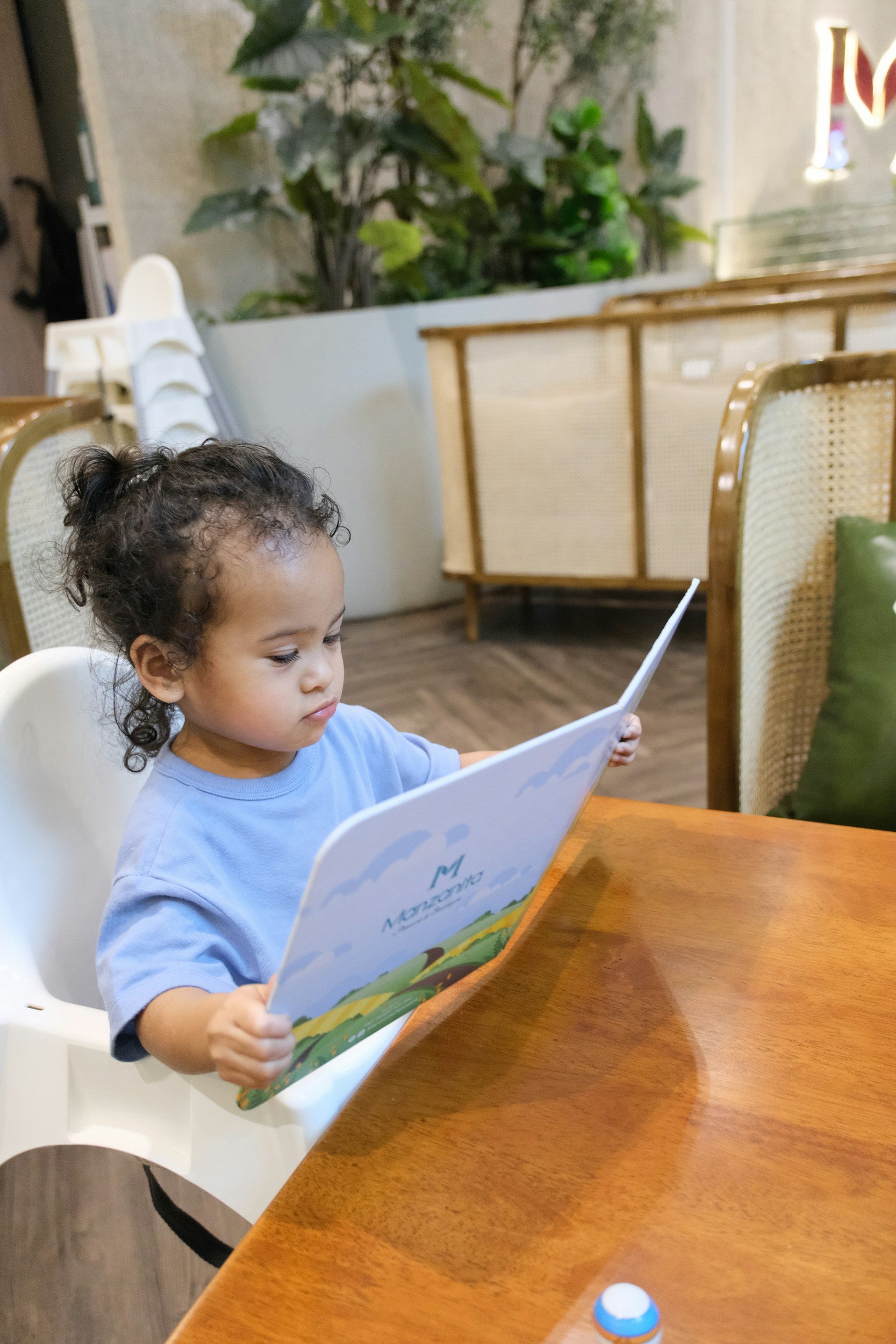
One of the most reassuring truths about development is that there’s a wide range of what’s normal. Some babies walk at 10 months, others not until 16. Some children talk in full sentences at 2, while others are just starting to combine words.
Milestones are not strict deadlines — they’re guidelines. What’s most important is that your child is progressing forward — gaining new skills, mastering old ones, and showing curiosity about the world.
Still, knowing when to pay closer attention can help ensure your child gets the right support at the right time.
When to Seek Extra Support
Parents often have an intuitive sense when something doesn’t feel quite right. Maybe your child isn’t meeting several milestones, seems disconnected from others, or avoids certain activities.
Here are some examples of when to consider reaching out for an evaluation:
Infants (Birth to 1 year):
Doesn’t make eye contact or smile by 3 months
Has trouble holding their head up or rolling over by 6 months
Doesn’t reach for or grasp toys by 6–7 months
Doesn’t babble or respond to voices by 9 months
Isn’t sitting by 9 months or bearing weight on legs by 12 months
Toddlers (1–3 years):
Not walking by 18 months
Uses fewer than 10–20 words by 2 years
Doesn’t follow simple directions
Rarely plays with toys or imitates actions
Has extreme difficulty calming or seems unaware of others
Preschoolers (3–5 years):
Struggles to communicate or be understood by others
Avoids interacting or playing with peers
Has very limited pretend play or imagination
Difficulty with motor coordination (running, climbing, drawing)
Persistent sensory sensitivities (avoiding textures, sounds, or movement)
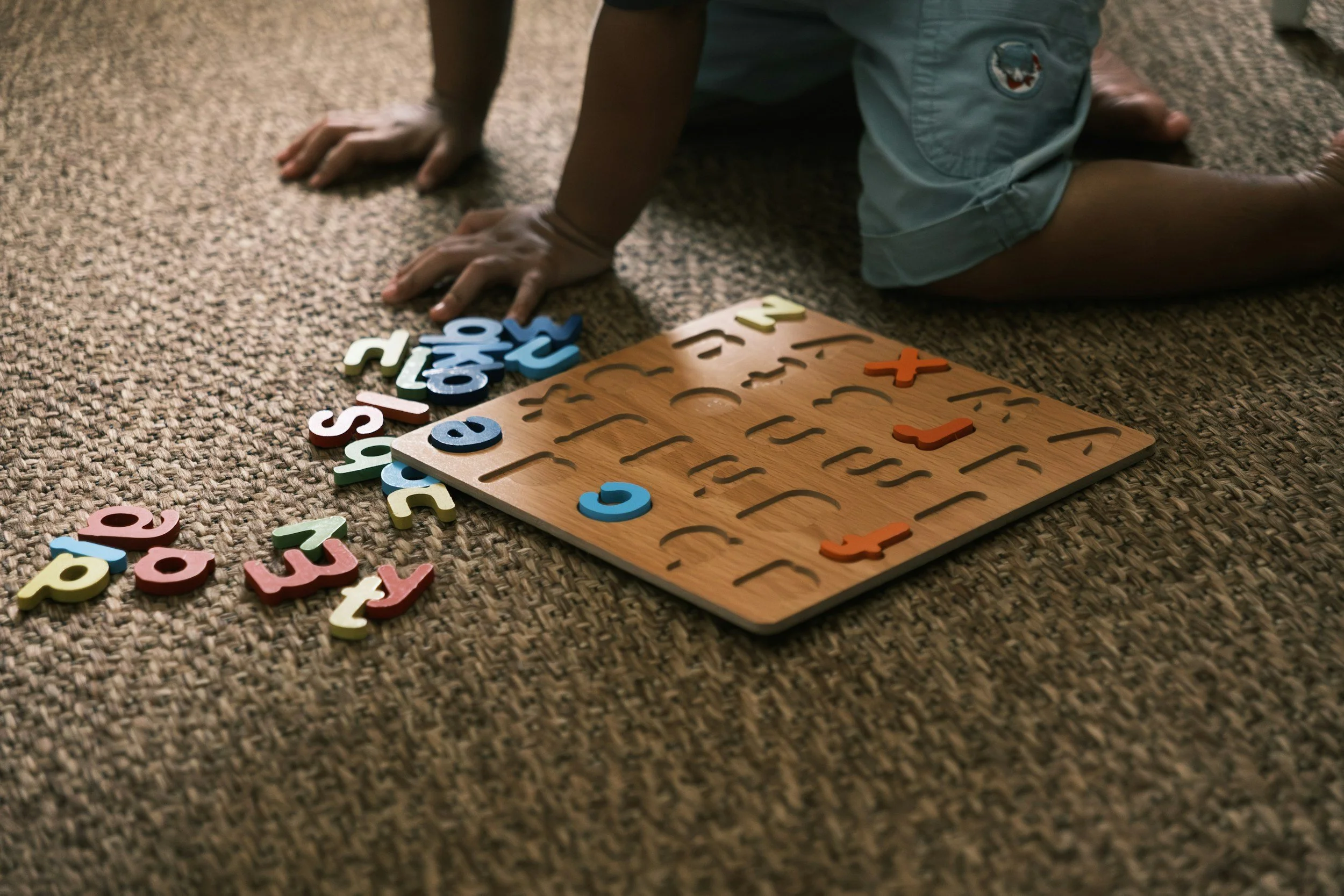
If any of these sound familiar, don’t panic — early support can make a tremendous difference. Early intervention is not a label or a judgment — it’s a proactive way to help your child succeed.
Why Early Intervention Matters
The first few years of life are a period of rapid brain development. During this time, the brain is especially responsive to new experiences, making it easier to learn new skills and adapt.
When delays are identified early, therapy can strengthen emerging skills, prevent secondary challenges (like frustration or low confidence), and equip families with tools to support progress at home.
How Therapy Can Help
At All Together Wellness, our multidisciplinary team — including occupational, physical, speech, feeding, and music therapists — works collaboratively to help children meet developmental milestones through joyful, play-based experiences. Each child’s plan is personalized, family-centered, and focused on building skills through meaningful activities that encourage curiosity, confidence, and success.
Occupational Therapy (OT) focuses on helping children gain independence in everyday tasks — from dressing and feeding to handwriting and sensory regulation. OTs also support sensory processing, attention, and emotional regulation so children can better participate in home, school, and community life.
Physical Therapy (PT) addresses gross motor development, balance, coordination, strength, and endurance. PTs help children reach movement milestones such as rolling, crawling, walking, jumping, and running, as well as improve posture, stability, and motor confidence. Physical therapy can be especially beneficial for children with delays in mobility, low or high muscle tone, or coordination challenges that make play or participation difficult.
Speech Therapy supports all aspects of communication — from early babbling and first words to articulation, receptive and expressive language, and social communication. Speech therapists also play an essential role in feeding therapy, helping children who experience difficulties with chewing, swallowing, oral motor coordination, or food aversion. Feeding therapy helps children build safe, confident eating skills while promoting positive and stress-free mealtime experiences.
Music Therapy uses the natural rhythm, structure, and motivation of music to enhance engagement, emotional regulation, motor coordination, and social connection. Through singing, instrument play, movement, and musical interaction, children strengthen communication, attention, and self-expression in a fun and motivating way.
By combining these disciplines, our team takes a whole-child approach — supporting not just skill development, but also confidence, joy, and overall well-being.
How Parents Can Support Development at Home
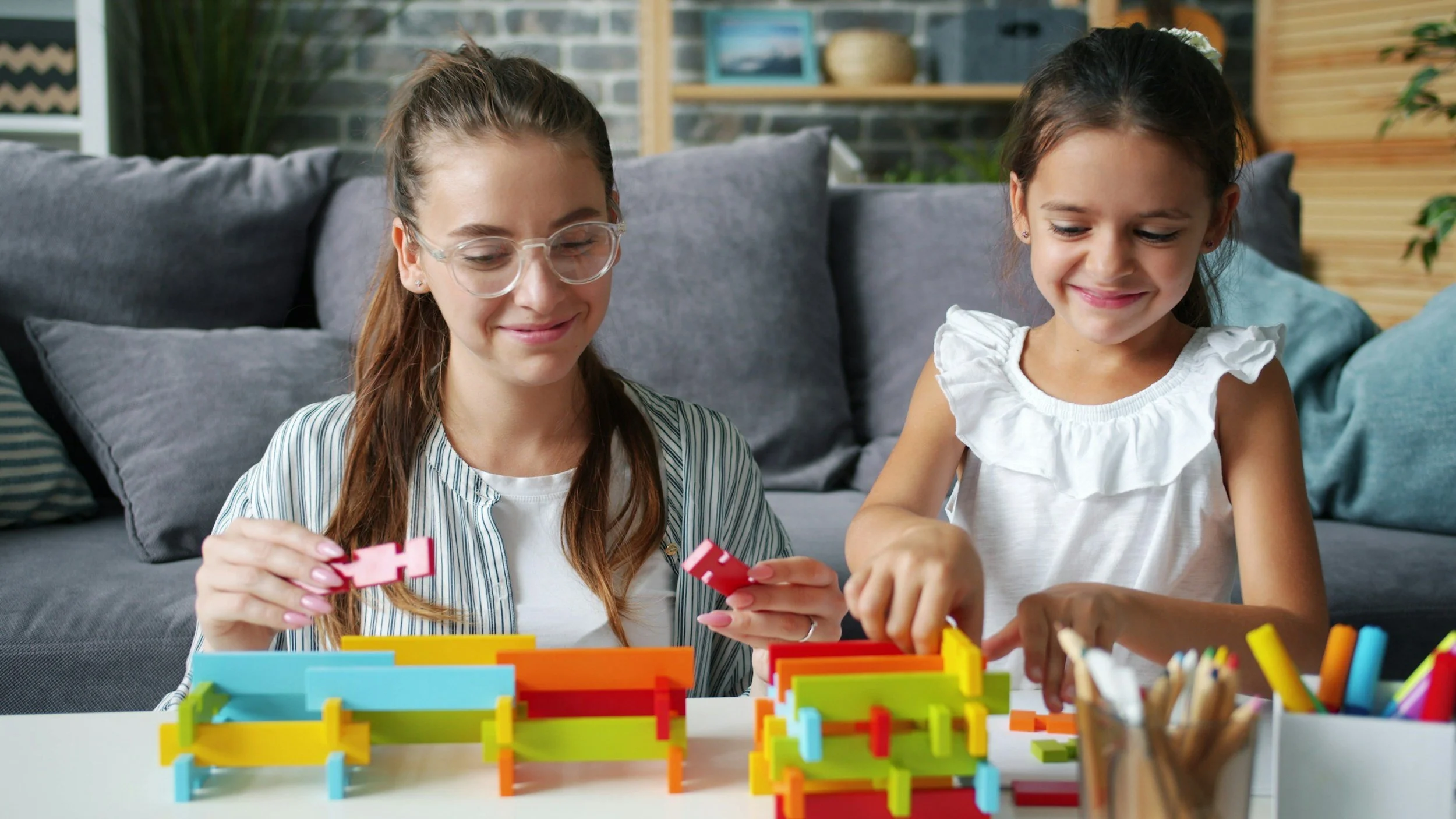
Your role in supporting your child’s development is powerful. Simple, consistent interactions make a lasting impact. Here are a few ideas:
Engage in daily play: Follow your child’s interests — stacking blocks, singing songs, or playing peek-a-boo all build learning.
Talk, read, and sing often: Narrate your day, describe what you see, and introduce new words naturally.
Encourage movement: Let your child climb, run, and explore safely to build coordination and strength.
Offer choices: “Do you want the blue cup or the green one?” promotes independence and language.
Practice patience and praise effort: Every small success deserves celebration — growth takes time.
Create routines: Predictable daily patterns help children feel secure and regulate better.
Stay connected: If you’re unsure, reach out. Collaboration with therapists and teachers can provide guidance and reassurance.
The Heart of It All
Every child has their own timeline, and progress doesn’t always follow a straight line. Some skills come in bursts; others take gentle encouragement and time. What matters most is connection, engagement, and the willingness to seek help when needed.
At All Together Wellness, we believe that every child deserves the chance to thrive — at their own pace, with the right support. If you have questions or concerns about your child’s milestones, our team is here to listen, guide, and celebrate every step forward with you.
Together, we’ll nurture your child’s growth — one milestone at a time.